[ SCROLL DOWN FOR ENGLISH VERSION ]
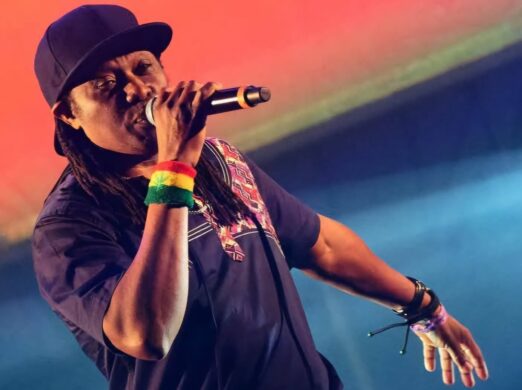
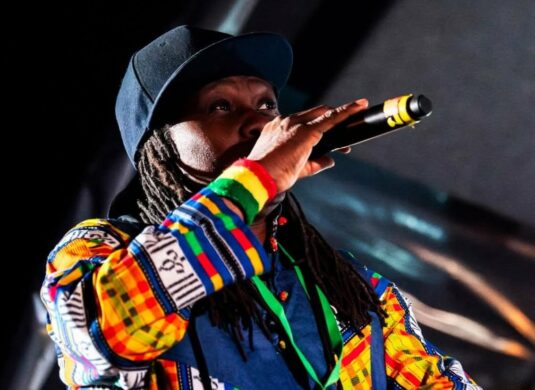
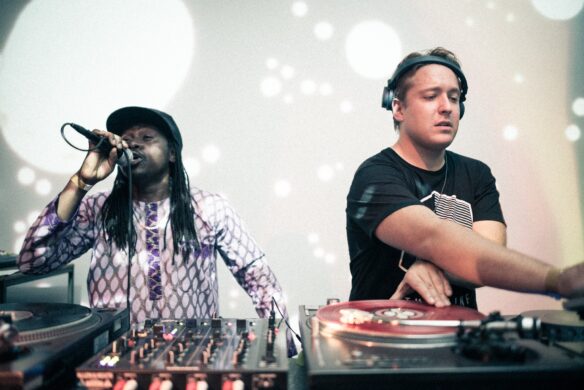
Iš Nigerijos kilęs reggae atlikėjas El Fata yra ilgametis roots ir dub scenos balsas. Jo muzika jungia Afrikos šaknis, Jamaikos tradiciją ir europietišką sound system kultūrą. Savo kūryboje atlikėjas daug dėmesio skiria meilei, vienybei ir socialiniam sąmoningumui. Lietuvos reggae publikai El Fata nėra naujas vardas – jis jau yra koncertavęs tiek Vilniuje, tiek Kaune, kur buvo šiltai sutiktas.
Prieš dar vieną sugrįžimą į Lietuvą kviečiame susipažinti su atlikėju iš arčiau. Apie savo muzikinę kelionę, įkvėpimus ir savo kūrybos žinutę pasakoja pats El Fata.
Sugrįžkime į pradžią, kaip prasidėjo tavo kelias į muziką? Ar žinojai, kad tapsi reggae atlikėju?
Mano kelias į muziką prasidėjo dar mokykloje. Buvau mokyklos kultūrinės grupės narys, su kuria pasirodydavome įvairiuose renginiuose. Vieną savaitgalį per pramoginį vakarą sudainavau reggae dainą. Reakcija buvo nuostabi, visi liko sužavėti. Tas momentas man labai įstrigo. Nuo tada supratau, kad muzika yra mano pašaukimas, ypač reggae. Būtent tada suvokiau, kad tai kelias, kuriuo noriu eiti.
Tokie reggae legendos kaip Bob Marley ar Gregory Isaacs įkvėpė daugybę muzikantų. Kaip jų muzika paveikė tave?
Mane įkvėpė jų muzikos žinutė ir melodija. Jų dainose daug stiprių temų: meilė, vienybė, kova, viltis ir tai man yra labai artima. Tokie atlikėjai kaip Bob Marley, Denis Brown, Gregory Isaacs, Don Carlos, Michael Rose ir kiti, kūrė ne tik pramogai, jie stengėsi motyvuoti žmones ir kalbėjo apie tikrą gyvenimą. Tas prasmingų tekstų ir soulful reggae ritmų derinys mane skatina kurti muziką, kuri taip pat paliestų žmones ir neštų pozityvią žinutę.
1990-aisiais išvykai iš Nigerijos ir pradėjai karjerą Vakarų Afrikoje bei Europoje. Kaip skirtingos šalys ir kultūros formavo tavo skambesį?
Kai 90-aisiais palikau Nigeriją ir pradėjau dirbti Vakarų Afrikoje, o vėliau Europoje, susidūriau su daugybe skirtingų kultūrų ir muzikos stilių. Aš lengvai prisitaikau prie naujos aplinkos ir tai man labai padėjo augti kaip atlikėjui. Esu smalsus žmogus, visada atviras naujiems dalykams. Kelionės leido atrasti naujus garsus, naujas kultūras ir kitokius muzikos išraiškos būdus. Kiekviena vieta, kur gyvenau ar dirbau, paliko savo pėdsaką. Visa tai galima pajusti manyje ir, žinoma, mano muzikoje, tai suformavo mano skambesį ir kūrybinį požiūrį.
Per karjerą bendradarbiavai su įvairiais dub ir reggae prodiuseriais Europoje, tarp jų ir Radikal Guru, Riddim Tuffa. Kaip tokios partnerystės veikia tavo kūrybą?
Darbas su skirtingais prodiuseriais, turinčiais savitą reggae ir dub stilių, labai išplėtė mano kūrybines ribas. Kiekvienas jų atneša unikalų skambesį ir požiūrį, o dalyvavimas šiame procese skatina mane ieškoti naujų idėjų. Tokios bendradarbiavimo patirtys padėjo man augti kaip atlikėjui ir tapti universalesniam. Dėl to galiu atlikti įvairius reggae stilius, nuo roots iki dub ir modernių interpretacijų, išlaikydamas savo identitetą.
Reggae muzika dažnai kalba apie laisvę, sąmoningumą ir socialines problemas. Kokia žinutė tavo kūryboje tau svarbiausia?
Svarbiausia mano muzikos žinutė yra meilė. Tikiu, kad meilė yra viso gėrio pasaulyje pagrindas. Kai yra tikra meilė, atsiranda laisvė, gerumas kitiems ir rūpestis vienas kitu. Meilė suartina žmones ir padeda geriau vieniems kitus suprasti. Daugelis šiandienos problemų kyla iš meilės trūkumo. Todėl savo muzikoje visada stengiuosi skleisti šią žinutę, nes meilė gali įkvėpti teigiamus pokyčius.
Ar yra koncertas, kuris tau iki šiol išliko pats įsimintiniausias?
Kiekvienas koncertas man yra ypatingas, nes visi jie skirtingi. Skiriasi energija, žmonės, vieta, momentas, būtent tai daro gyvus pasirodymus tokius ypatingus. Nėra dviejų vienodų koncertų. Kiekviena publika sukuria savitą atmosferą, o ryšys tarp atlikėjo ir klausytojų sukuria naują patirtį. Man būtent šios akimirkos ir yra svarbiausios.
Esi koncertavęs Lietuvoje, Vilniuje (2012) ir Kaune (2015). Kokius prisiminimus išsinešei ir koks tavo įspūdis apie Lietuvos reggae publiką?
Iš tų koncertų turiu labai gerus prisiminimus. Energija buvo puiki, ir buvo nuostabu matyti žmonių džiaugsmą bei laimę koncertų metu. Lietuvos reggae publika turi labai gerą vibe’ą ir stiprią energiją. Jie tikrai jaučia muziką, o tai man suteikia ypatingą jausmą.
Reggae scena Lietuvoje gal ir nėra didelė, bet labai ištikima. Kaip jautiesi koncertuodamas mažesnei, bet labai entuziastingai publikai?
Man nėra „mažų“ ar „didelių“ koncertų. Visada atiduodu viską, nesvarbu, kiek žmonių susirinko. Svarbiausia yra ryšys, pozityvi energija ir atmosfera. Kai žmonės jaučia muziką ir dalijasi gera nuotaika, tada ir gimsta ypatinga akimirka.
Kovo 20-ąją vėl grįši į Lietuvą. Ko gali tikėtis publika iš šio pasirodymo?
Publika gali tikėtis gerų vibracijų, saldžių melodijų ir daug džiaugsmo. Mano tikslas, atnešti pozityvią energiją ir sukurti erdvę, kur žmonės galėtų atsipalaiduoti, mėgautis muzika ir dalintis gera nuotaika. Tai bus reggae muzikos šventė, kupina teigiamų garsų ir nuoširdžių emocijų. Labai laukiu galimybės vėl susitikti su Lietuvos publika ir kartu pasidalinti šia energija.
[ ENGLISH VERSION ]
Nigerian-born reggae artist El Fata is a long-standing voice on the roots and dub scene. His music brings together African roots, Jamaican tradition, and European sound system culture. In his music, he places a strong emphasis on love, unity, and social awareness. El Fata is not a new name to the Lithuanian reggae community, as he has previously performed in both Vilnius and Kaunas, where he was warmly received.
Ahead of his return to Lithuania, we invite you to get to know the artist more closely. In the interview below, El Fata himself speaks about his musical journey, inspirations, and the message he carries through his music.
Let’s go back to the roots — how did your journey into music begin? Did you always know you would become a reggae artist?
My journey into music started when I was in school. I used to be a member of my former school’s cultural group, where we would perform during different events.
One weekend during an entertainment night show, I performed a reggae song. The reaction from the whole school was amazing—everyone went “wow.” That moment really stayed with me.
From that point, I realized that music was my calling, especially reggae music. It was the moment that made me understand that this was the path I wanted to follow.
Reggae legends such as Bob Marley and Gregory Isaacs have inspired many musicians. How did their music influence you?
The message and melody in their music influenced and inspire me. Their songs carry powerful themes of love, unity, struggle, and hope, and that depth really resonates with me. Artists like Bob Marley, Denis Brown, Gregory Isaacs, Don Carlos Michael Rose and many more didn’t just create music to entertain—they used it to uplift people and speak about real life. That combination of meaningful lyrics and soulful reggae rhythms motivates me to create music that also connects with people and carries a positive message
In the 1990s you left Nigeria and began your career in West Africa and Europe. How did different countries and cultures shape your sound?
In the 1990s when I left Nigeria and started working across West Africa and then Europe, I was exposed to many different cultures and musical styles. I adapt easily to new environments, and that really helped me grow as an artist. I’m a naturally curious person, and I’ve always been open to learning new things.
Traveling allowed me to discover new cultures, new rhythms, and new ways of expressing music. Every place I lived or worked in influenced me in some way. I listened, observed, and absorbed what was around me.
You can feel those different cultural influences in me, and you can definitely hear them in my music. They’ve all helped shape my sound and the way I approach creating music.
Throughout your career you’ve worked with various dub and reggae producers in Europe, including Radikal Guru, Riddim Tuffa. How do collaborations like these influence your creative process?
Working with different producers across Europe, each with their own style of reggae and dub, has really helped expand my creativity. Every producer brings a unique sound and approach to the music, and being part of that process pushes me to explore new ideas and directions.
Collaborations like these have helped me grow as an artist and become more versatile in my delivery. Because of that experience, I’m able to voice many different styles of reggae—from roots to dub and other modern interpretations—while still keeping my own identity in the music.
Reggae often carries strong messages about freedom, awareness, and social issues. What message in your music feels most important to you?
The most important message in my music is love. I believe love is the foundation for everything good in this world. When there is true love, it opens the door to freedom, kindness to others, and care for one another.
Love brings people together and helps us understand each other better. Many of the problems we see in the world today come from a lack of true love. That’s why I always try to carry that message in my music—because love can inspire positive change and bring light where it’s needed most.
Is there a concert in your career that still stands out to you as the most memorable?
Every concert is memorable to me because each one is unique in its own way. The energy, the people, the place, and the moment are always different, and that’s what makes performing so special.
No two shows are ever the same. Every audience brings its own vibe, and that connection between the artist and the crowd creates a new experience each time. For me, those moments of sharing music with people are what make every concert stand out in its own special way.
You have performed in Lithuania before — in Vilnius (2012) and Kaunas (2015). What memories do you have from those shows, and what was your impression of the Lithuanian reggae audience?
I have very good memories from those shows in Lithuania. The energy was great, and it felt really good to see the joy and happiness on people’s faces while I was performing.
The Lithuanian reggae audience has a very good vibe and strong energy. They really connect with the music, and that makes the whole experience even more special for me as an artist.
The reggae scene in Lithuania may not be very large, but it is very loyal. How does it feel to perform to smaller but very enthusiastic audiences like this?
To me, there is no such thing as a small or big show. I always give my best to the audience at every performance, no matter the size of the crowd.
What truly matters to me is the connection, the positive vibes, and the energy in the dancehall. When the people are feeling the music and sharing that energy together, that’s what makes the moment special
You’ll be returning to Lithuania on March 20th. What can the audience expect from this upcoming show?
The audience can expect good vibes mixed with sweet melodies, all served with joyfulness. My aim is always to bring positive energy and create a space where people can feel the music, enjoy themselves, and share good vibrations together.
It will be a celebration of reggae music, full of uplifting sounds and heartfelt performances. I’m looking forward to connecting with the people and sharing that joyful energy with the Lithuanian audience once again.
Thank you for the conversation!


Komentarai